Treat smoke, soot, odor and draft changes as signs that the system needs attention. If combustion products enter the home or a chimney fire is suspected, stop normal use and have the system evaluated before using it again.
Smoke, soot, odor and draft problems are symptoms, not diagnoses. They can point to wet wood, deposits, pressure problems, blockage, venting defects or appliance issues. If smoke or combustion gases are entering the home, continued use should wait until the cause is understood.
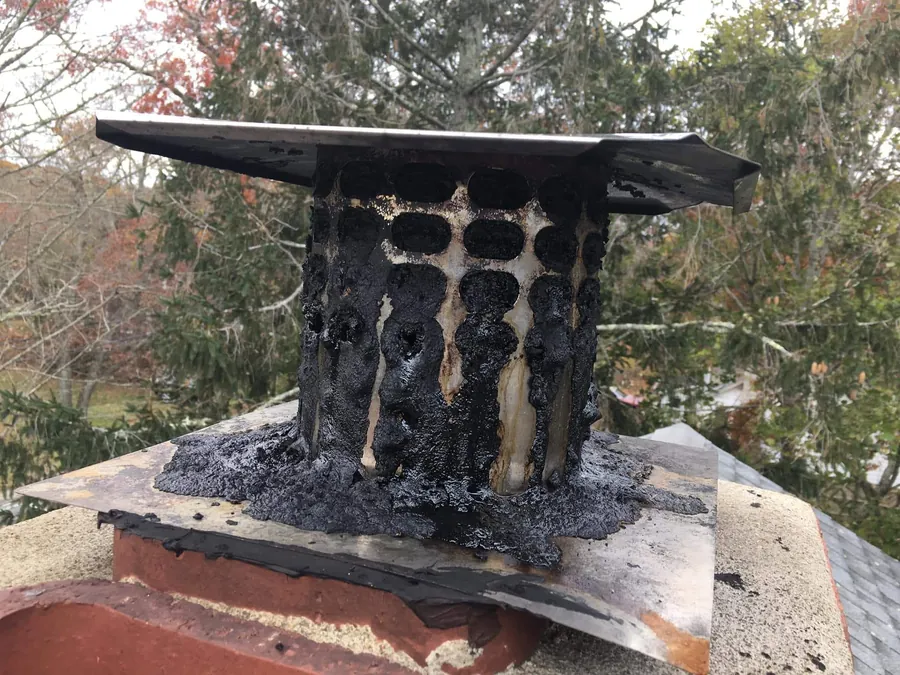
This guide focuses on what is creosote from a Colorado homeowner's point of view. Explain incomplete combustion, cooler smoke, wet wood, smoldering fires and buildup in plain English.
If the symptom includes smoke entering the room, a suspected chimney fire, a gas odor or a carbon-monoxide alarm, normal fireplace use should stop until the immediate safety concern is resolved and the system is evaluated.
Do not use a shortcut that defeats a damper, safety switch, vent or other combustion control just to keep the fireplace operating. When the system is not venting normally, the priority is finding the cause before returning to regular use.
If the symptom includes smoke entering the room, a suspected chimney fire, a gas odor or a carbon-monoxide alarm, normal fireplace use should stop until the immediate safety concern is resolved and the system is evaluated.
Do not use a shortcut that defeats a damper, safety switch, vent or other combustion control just to keep the fireplace operating. When the system is not venting normally, the priority is finding the cause before returning to regular use.
If the symptom includes smoke entering the room, a suspected chimney fire, a gas odor or a carbon-monoxide alarm, normal fireplace use should stop until the immediate safety concern is resolved and the system is evaluated.
Do not use a shortcut that defeats a damper, safety switch, vent or other combustion control just to keep the fireplace operating. When the system is not venting normally, the priority is finding the cause before returning to regular use.
If the symptom includes smoke entering the room, a suspected chimney fire, a gas odor or a carbon-monoxide alarm, normal fireplace use should stop until the immediate safety concern is resolved and the system is evaluated.
Do not use a shortcut that defeats a damper, safety switch, vent or other combustion control just to keep the fireplace operating. When the system is not venting normally, the priority is finding the cause before returning to regular use.
If the symptom includes smoke entering the room, a suspected chimney fire, a gas odor or a carbon-monoxide alarm, normal fireplace use should stop until the immediate safety concern is resolved and the system is evaluated.
Do not use a shortcut that defeats a damper, safety switch, vent or other combustion control just to keep the fireplace operating. When the system is not venting normally, the priority is finding the cause before returning to regular use.
Stop using the fireplace and arrange evaluation if smoke enters the home, a carbon-monoxide alarm activates, a chimney fire is suspected, masonry is visibly moving, or an obstruction or venting defect is suspected. These are not good situations for trial-and-error operation.
It is better to stop using it until the cause is understood. Smoke in the room means the system is not venting as expected.
No. Cleaning can remove deposits or obstructions, but draft can also be affected by chimney design, house pressure, weather and appliance configuration.
Yes. Follow current manufacturer and local guidance for smoke and carbon-monoxide alarm placement and maintenance.
Call Baker Chimney & Fireplace anytime, or request service online. Serving Denver, Colorado Springs, Fort Collins and the Front Range.
Request ServiceTalk to Baker Chimney & Fireplace about cleaning, inspection, repair or installation. Phone lines are answered 24/7 across the Front Range.
720-835-1233