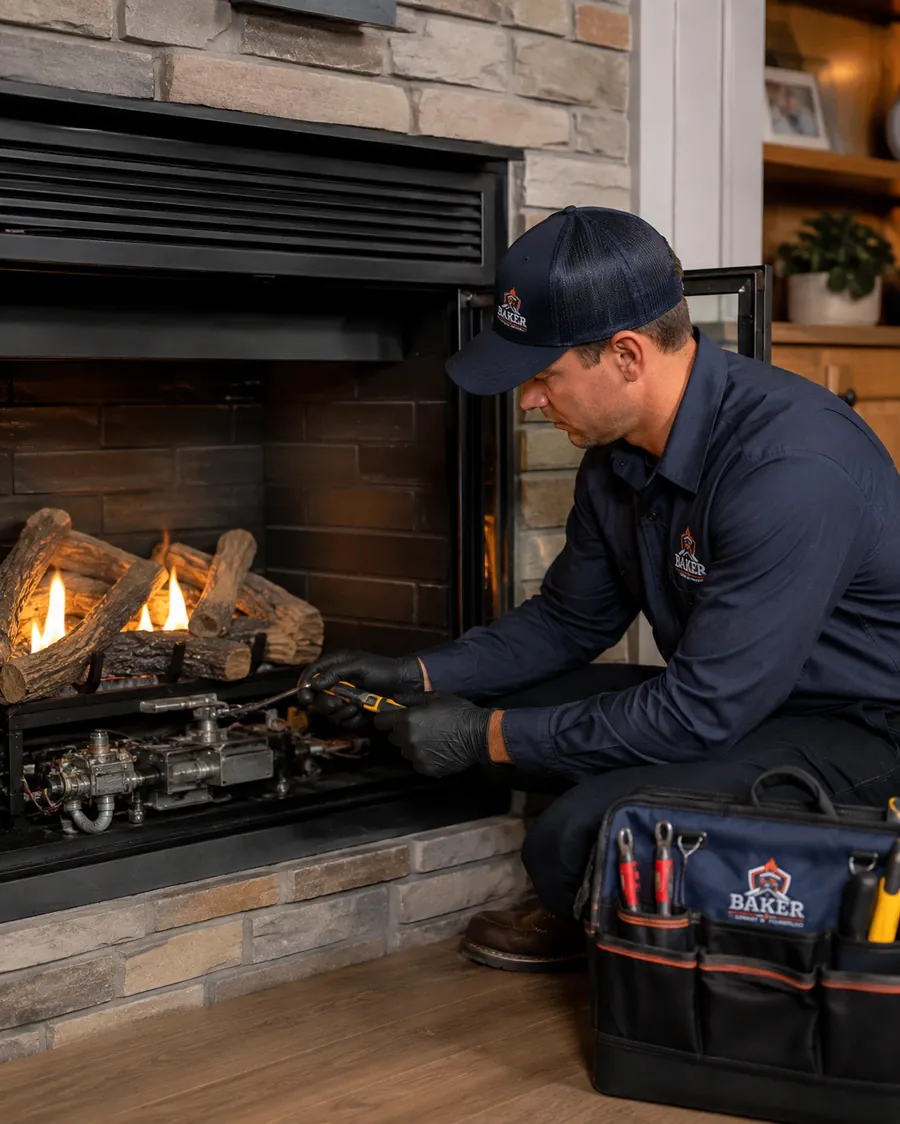
A homeowner can learn basic maintenance and observe visible conditions, but roof access, flue cleaning, liner work, masonry repair and gas/venting work carry risks that make professional service the safer choice for most chimney systems.
Chimney and fireplace work can involve masonry, roofing, venting, metal components, gas appliances and structural conditions. The right answer depends on which part of the system is actually involved.
This guide focuses on can i repair my chimney myself from a Colorado homeowner's point of view. Separate cosmetic homeowner maintenance from structural, venting, gas, liner, roof and masonry work that needs professional evaluation.
A clear scope should identify the component, the observed problem, the proposed repair and any limitations. That makes it easier to compare options and reduces misunderstandings once work begins.
If the condition affects more than one trade, the scope should say who is responsible for each part. Chimney projects often touch masonry, roofing, metalwork, gas or framing, and unclear handoffs are a common source of delays and repeat problems.
A clear scope should identify the component, the observed problem, the proposed repair and any limitations. That makes it easier to compare options and reduces misunderstandings once work begins.
If the condition affects more than one trade, the scope should say who is responsible for each part. Chimney projects often touch masonry, roofing, metalwork, gas or framing, and unclear handoffs are a common source of delays and repeat problems.
The flue liner helps contain heat and combustion products and provides a suitable passage to the outdoors. Liner type, size, appliance compatibility and extent of damage all matter. A repair that is appropriate for one liner or appliance may be wrong for another.
If the condition affects more than one trade, the scope should say who is responsible for each part. Chimney projects often touch masonry, roofing, metalwork, gas or framing, and unclear handoffs are a common source of delays and repeat problems.
A clear scope should identify the component, the observed problem, the proposed repair and any limitations. That makes it easier to compare options and reduces misunderstandings once work begins.
If the condition affects more than one trade, the scope should say who is responsible for each part. Chimney projects often touch masonry, roofing, metalwork, gas or framing, and unclear handoffs are a common source of delays and repeat problems.
A clear scope should identify the component, the observed problem, the proposed repair and any limitations. That makes it easier to compare options and reduces misunderstandings once work begins.
If the condition affects more than one trade, the scope should say who is responsible for each part. Chimney projects often touch masonry, roofing, metalwork, gas or framing, and unclear handoffs are a common source of delays and repeat problems.
Call a chimney/fireplace professional when the issue involves the flue, liner, smoke chamber, crown, cap, masonry, venting, gas components, significant water entry or structural movement. The goal of the visit should be to document the defect and match the repair to the actual component.
A photo can help identify the area, but chimney and fireplace problems often require inspection of hidden components before a repair can be recommended.
If there is smoke in the home, a gas odor, structural movement, a suspected chimney fire or another immediate safety concern, stop using it until it is evaluated.
Ask for the component being repaired, the observed defect, the proposed work, relevant photos and anything specifically excluded from the scope.
Call Baker Chimney & Fireplace anytime, or request service online. Serving Denver, Colorado Springs, Fort Collins and the Front Range.
Request ServiceTalk to Baker Chimney & Fireplace about cleaning, inspection, repair or installation. Phone lines are answered 24/7 across the Front Range.
720-835-1233